
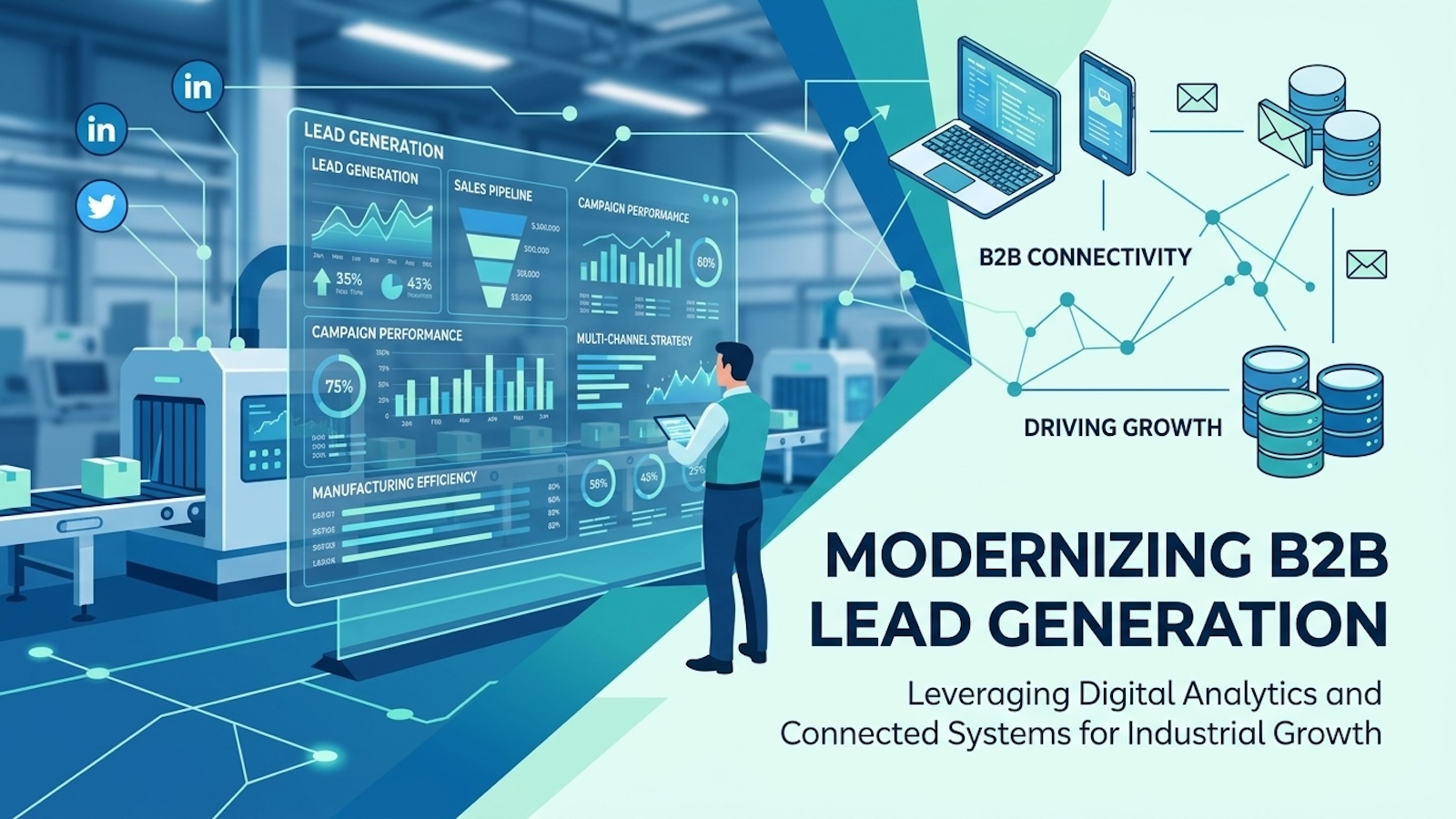
TL;DR: Manufacturing B2B lead generation doesn't follow the standard digital marketing playbook. Longer sales cycles, larger buyer committees, and highly technical products mean generic strategies fall short. This post covers what makes manufacturing different, how to reach the right stakeholders, and which strategies—from ABM to LinkedIn—actually move the needle for industrial companies.
Manufacturing B2B lead generation is one of those areas where the usual digital marketing advice starts to break down. The sales cycles are longer, the products are more complex, and the people making the buying decisions don't respond to the same tactics that work in SaaS or professional services. If your lead generation strategy isn't built for these realities, you're going to burn through budget and time without much to show for it.
I've worked with enough manufacturing and industrial companies to know: what works here is different. And understanding why is the first step to building a strategy that actually delivers manufacturing sales leads you can close.
What Makes Manufacturing Lead Generation Different
Most B2B lead generation advice assumes a relatively short sales cycle, a single decision-maker, and a product that's easy to demo or trial. Manufacturing doesn't work that way.
Here's what you're actually dealing with:
- Long sales cycles. The average B2B sales cycle sits at about 10 months, and in manufacturing, it's often longer. You're not closing deals in a single conversation—or even a single quarter.
- Buyer committees, not individual buyers. According to Forrester's State of Business Buying, 2026, buying groups are becoming larger and more collaborative. In manufacturing, a typical purchase involves engineers, procurement, operations, and executive leadership—each with different priorities and questions.
- Technical complexity. Your buyers need specifics—tolerances, certifications, integration details. Surface-level content doesn't earn trust here.
- Relationship-heavy selling. Trade shows, distributor partnerships, and field sales still matter. Digital doesn't replace these channels—it has to work alongside them.
The bottom line: you need a B2B lead generation platform and approach that accounts for all of this. Generic funnels won't cut it.
Know Your Buyer Committee—Not Just Your "Lead"
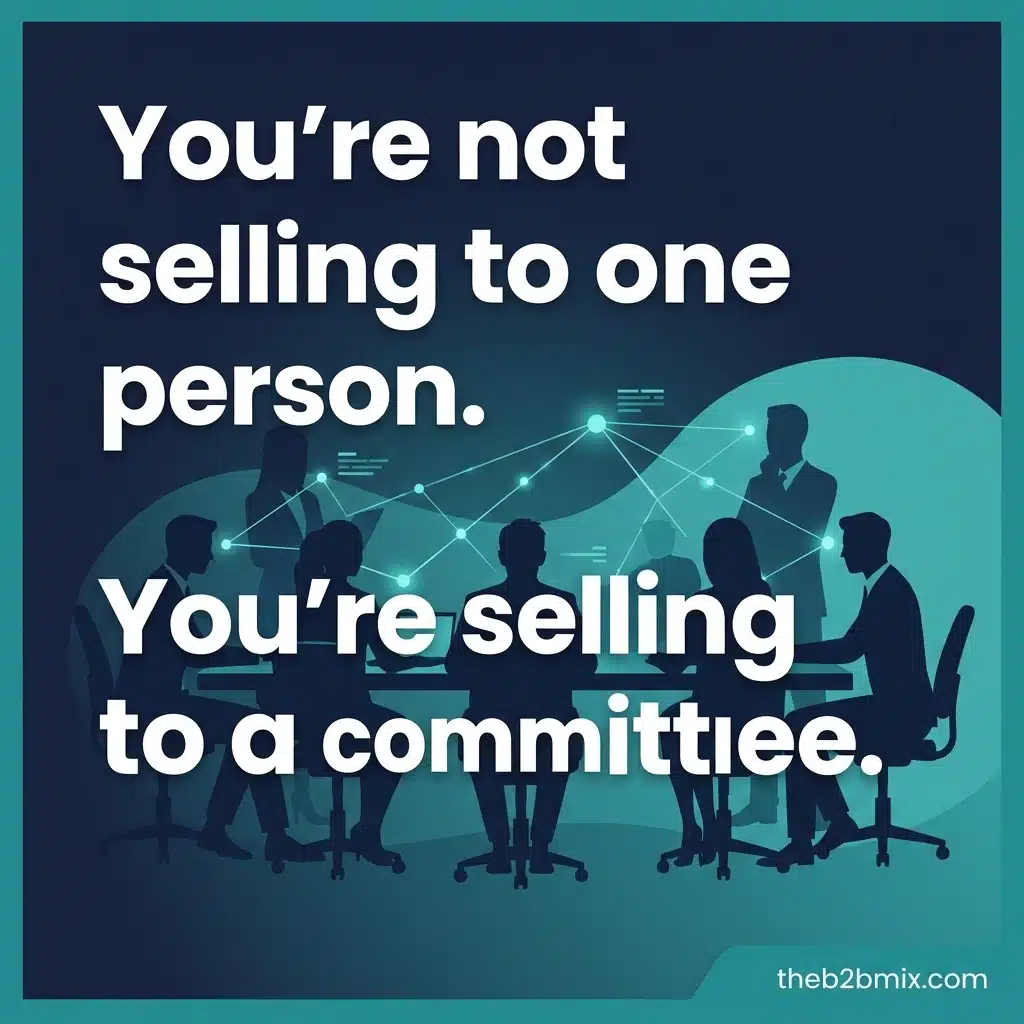
One of the biggest mistakes in manufacturing lead gen is treating a "lead" as a single person. In reality, you're selling to a group—and each person in that group has different concerns.
The engineer wants to know if your product meets specs. The procurement manager cares about pricing, lead times, and supplier reliability. The operations director wants to understand integration and downtime. The VP or owner is looking at the bigger picture—ROI, long-term partnerships, and risk.
If your content and outreach only speak to one of these roles, you're leaving the rest of the committee unconvinced. And unconvinced committee members stall deals.
What to do instead:
- Map the typical roles involved in purchase decisions for your products.
- Create content that addresses each role's specific concerns.
- Use account-based content marketing strategies to deliver the right message to the right stakeholder at the right time.
Effective Digital Lead Generation Strategies for Industrial Manufacturers
When it comes to manufacturing B2B lead generation, no single channel does all the heavy lifting. You need strategies that work together—and that starts with understanding what each channel actually contributes.
Content That Speaks to Technical Decision-Makers
Content marketing for manufacturers isn't about blog posts stuffed with keywords. It's about creating resources that buyers genuinely need during their evaluation process.
What actually works:
- Technical guides and whitepapers that address real engineering or operational questions.
- Case studies showing measurable outcomes—not vague success stories.
- Comparison content that helps buyers evaluate options honestly.
- Product video showing equipment in action. 54% of online consumers expect to see more video content from brands, and for manufacturers, seeing a product perform is often more persuasive than reading about it.
The key is creating content that's useful throughout a buying process that might stretch for months. If your content only works at the top of the funnel, you're losing people in the middle—right where manufacturing decisions actually get made.
This is often what your B2B marketing strategy may be missing: depth and variety of content for different stages and different stakeholders.
How to Use LinkedIn for Manufacturing B2B Lead Generation
LinkedIn is the most effective social platform for manufacturing B2B lead generation. 86% of B2B marketers actively use it, and it's especially powerful in manufacturing because it gives you direct access to the engineers, procurement professionals, and operations leaders who make up your buyer committee.
Here's how to use it well:
- Build your company page into a resource hub. Share technical content, project highlights, and industry insights—not just company news.
- Use personal profiles for thought leadership. Buyers trust people more than brands. Have your subject matter experts share industry challenges and engage with prospects directly.
- Leverage Sales Navigator. Target accounts by industry, company size, role, and geography. Pair this with your ABM approach for focused outreach.
- Engage in industry groups. Participate in manufacturing and engineering communities where your buyers are already having conversations.
Don't treat LinkedIn like a broadcast channel. Use it to build relationships—which is exactly how manufacturing sales have always worked, just in a different medium.
Why Account-Based Marketing Is a Natural Fit for Manufacturing
If your average deal size is significant and your buyer list is finite, ABM isn't a nice-to-have—it's the most efficient way to generate and convert manufacturing sales leads.
Manufacturing companies typically sell to a defined universe of potential customers. You probably already know the companies you want to work with. ABM lets you focus your resources on those specific accounts instead of casting a wide net and hoping the right people find you.
An effective ABM strategy for manufacturing includes:
- Target account identification based on fit, intent signals, and existing relationships.
- Personalized content and outreach tailored to each account's specific challenges and stakeholders.
- Sales and marketing alignment so both teams are working the same accounts with coordinated messaging.
- Multi-channel engagement combining LinkedIn, email, direct mail, trade shows, and field sales.
This is where revenue operations becomes critical. Without aligned systems and shared data between marketing and sales, ABM falls apart. You need visibility into what's happening across the entire account journey—not just the marketing-generated leads.
Strategies for Qualifying Leads in a Complex Manufacturing Sales Cycle
Lead qualification in manufacturing isn't as simple as a form fill and a lead score. When sales cycles span months and involve multiple stakeholders, you need a more nuanced approach.
Here's what works:
- Score at the account level. Don't just score individual contacts—look at how many people from the same account are engaging with your content and outreach.
- Go beyond BANT. Budget, Authority, Need, and Timing are useful signals, but add technical fit and procurement readiness to the criteria for manufacturing leads.
- Build longer nurture sequences. With a 10-month average B2B sales cycle—often longer in manufacturing—your nurture strategy has to sustain engagement without going stale. Email automation is essential here, but only when the content stays relevant.
- Align on lead definitions. Marketing and sales need a shared understanding of what "qualified" means—and those definitions should be reviewed regularly. What qualifies a SaaS lead won't qualify a manufacturing lead.
The goal isn't to speed up a process that's inherently long. It's to make sure every interaction moves the deal forward and that no qualified opportunity slips through the cracks.
Get the System Right Before You Scale
Here's where most manufacturing companies stumble: they invest in lead generation tactics before their systems can support them.
You can run the best ABM campaigns, publish great content, and build a solid LinkedIn presence—but if your CRM is a mess, your sales team doesn't have visibility into marketing activity, or your teams can't agree on lead definitions, none of it will matter.
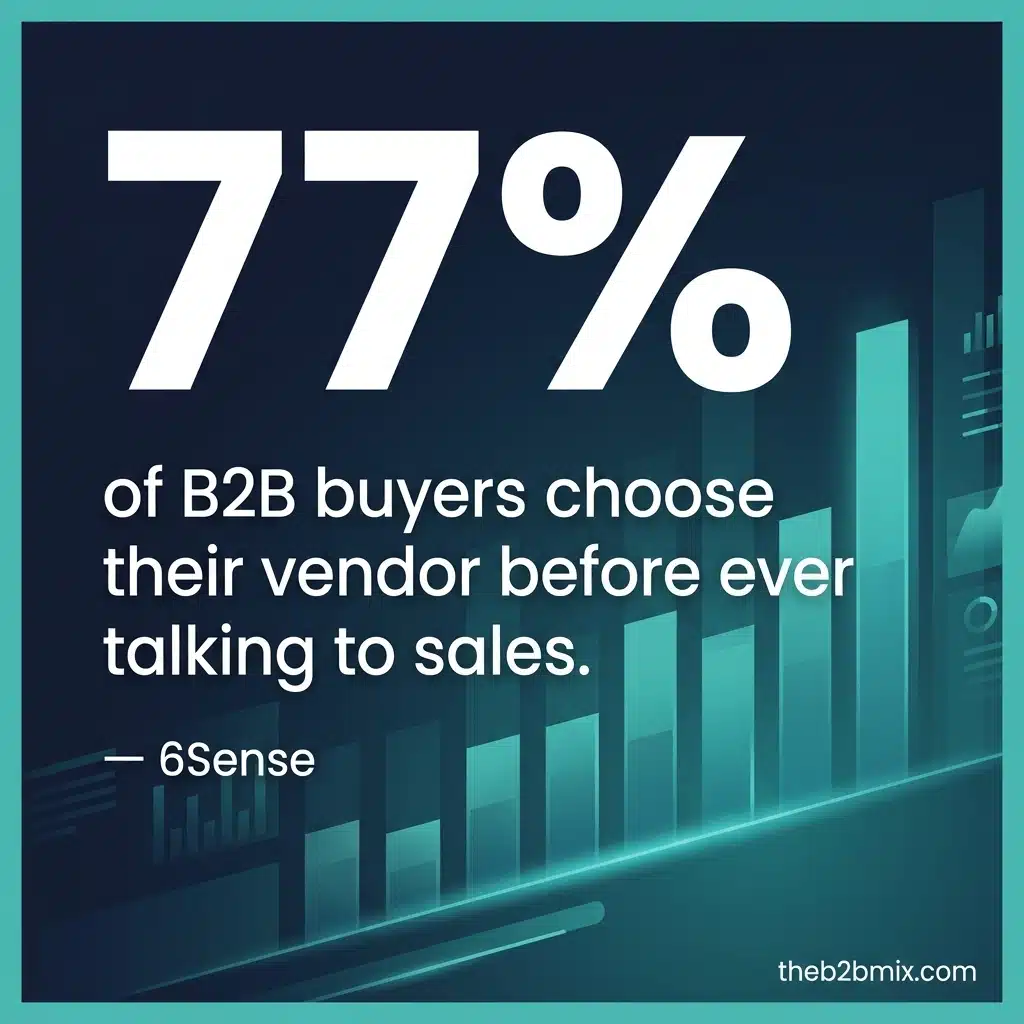
Consider this: 77% of B2B buyers purchase from the vendor they ranked first before ever talking to sales. That means your digital presence and early engagement have to be working well before the first sales conversation happens.
Before scaling your manufacturing lead generation efforts, make sure you have:
- A CRM that sales and marketing actually use—and trust.
- Clear lead routing and follow-up processes. 80% of trade show leads never get contacted, and the same happens with digital leads when ownership is unclear.
- Shared dashboards and reporting that both teams rely on.
- Defined lifecycle stages that make sense for your actual sales process.
This is the foundational work—and it's the work that separates companies generating manufacturing sales leads that close from those just generating contacts.
Frequently Asked Questions About Manufacturing B2B Lead Generation
Effective strategies include creating technical content for each role in the buyer committee—whitepapers, case studies, and comparison guides that address real engineering and operational questions. Account-based marketing (ABM) helps focus resources on high-value target accounts. LinkedIn is essential for relationship-building and thought leadership. And aligning sales and marketing systems with shared lead definitions and CRM processes ties it all together. The strongest results come from multi-channel engagement that combines digital outreach with trade shows and field sales.
Build your company page into a technical resource hub, not just a news feed. Have subject matter experts share thought leadership through personal profiles—buyers trust people more than brands. Use Sales Navigator to target accounts by industry, company size, and role, and engage in manufacturing and engineering industry groups where your buyers are already having conversations. The key is using LinkedIn to build relationships with the engineers, procurement professionals, and operations leaders who make up the buyer committee.
Score at the account level rather than individual contacts—look at how many people from the same company are engaging. Go beyond BANT criteria to include technical fit and procurement readiness. Build longer nurture sequences that sustain engagement across 10+ month sales cycles without going stale. And make sure sales and marketing share a definition of what "qualified" means, reviewed regularly. The goal is ensuring every interaction moves the deal forward while preventing qualified opportunities from slipping through the cracks.
Key Takeaways
- Manufacturing B2B lead generation differs from standard marketing due to longer sales cycles, larger buyer committees, and technical complexity.
- Focus on addressing the specific needs of each role in the buying committee to prevent stalled deals.
- Effective strategies include targeted content, leveraging LinkedIn, and employing account-based marketing (ABM) for focused outreach.
- Align sales and marketing efforts to ensure shared definitions of qualified leads and effective engagement across channels.
- A solid foundational system is crucial before scaling lead generation efforts to ensure success in closing deals.
Start With Alignment, Not More Tactics
Manufacturing B2B lead generation isn't about finding a magic channel or the latest tool. It's about building a system—the right strategy, the right content, aligned teams, and technology that supports the way your buyers actually buy.
If you're a founder or leader of a family-owned or founder-led B2B business, the path forward starts with alignment: getting your sales, marketing, and operations teams on the same page about who you're targeting, how you're reaching them, and what success looks like.
The tactics matter—but they only work when the system underneath is sound.
Ready to build a lead generation approach that fits how manufacturing actually works? Let's chat.