B2B lifecycle marketing is all about creating meaningful engagement with your customers at every stage of their journey — from that first spark of awareness to loyal advocacy. Unlike one-off campaigns that chase quick wins, lifecycle marketing is an "always-on" strategy that builds a continuous conversation with your audience, ensuring they feel valued at every step.
And here's why it matters: According to industry research, retaining a customer is about five times more cost-effective than acquiring a new one. Even a modest 5% retention boost can increase profits by as much as 95%.
When you build strong, lasting relationships, you're not just increasing customer lifetime value. Instead, you're creating brand advocates who will share your brand story, refer new business, and fuel sustainable growth. With effective lifecycle marketing, you can build a stronger foundation for your business, one connection at a time. Ready to dig into lifecycle marketing? Let's get started!
What's the Difference Between Lifecycle Marketing and Traditional Marketing?
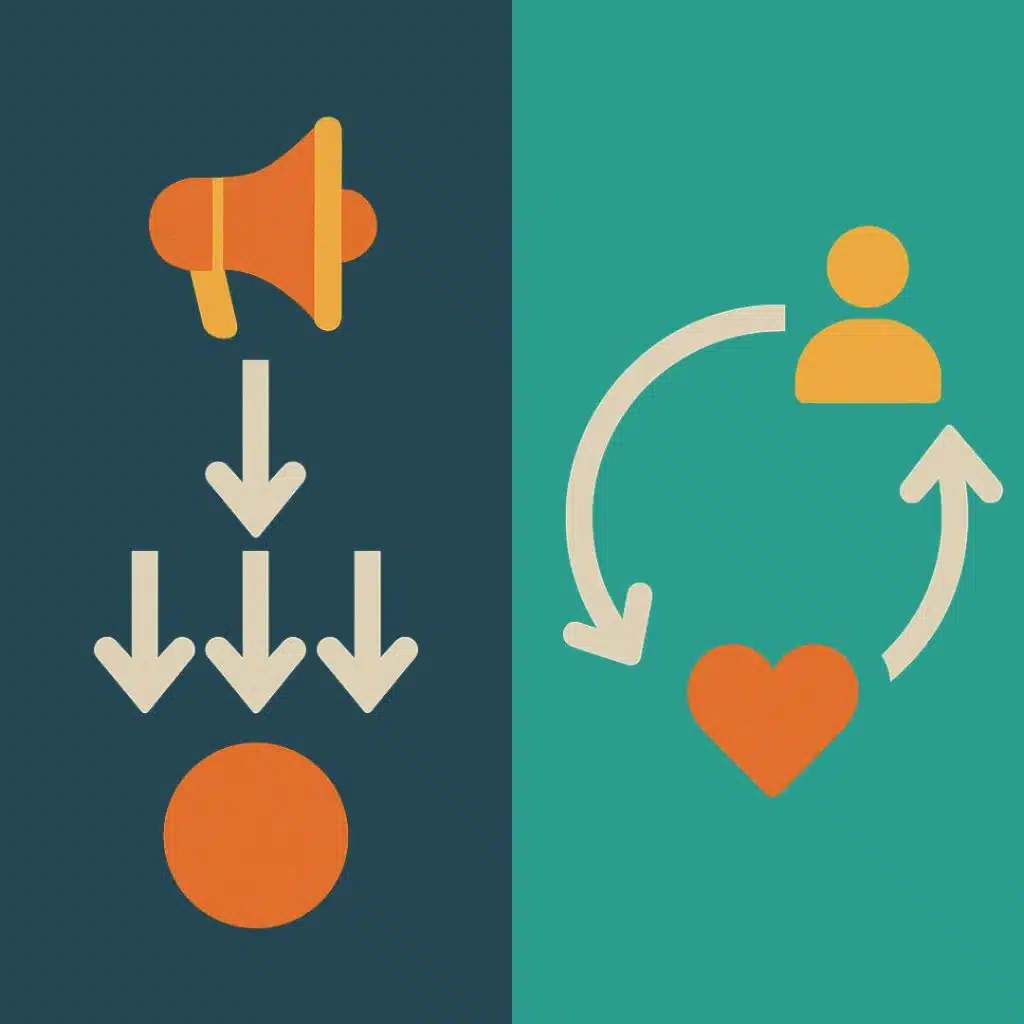
Are you curious about how lifecycle marketing stacks up against traditional marketing approaches? With traditional marketing efforts, you are likely to see a focus on isolated transactions. Think running a campaign to spark a quick sale or scoop up new leads.
Lifecycle marketing, on the other hand, plays the long game. It's about building lasting relationships that go well beyond the first purchase. Don't just cast a wide net. Instead, intentionally nurture your customers at every stage of their journey — from first contact to loyal advocate.
With a data-driven customer lifecycle marketing strategy, you can keep the conversation going long after closing the deal. Consequently, onboarding, support, retention, and loyalty-building become core parts of your marketing engine. The result? Happier customers, stronger brand loyalty, and a much better return on your marketing investments over time.
At the end of the day, lifecycle marketing isn't just about chasing the next sale — it's about creating value and momentum at every stage, so growth happens naturally.
Lifecycle marketing focuses on nurturing long-term relationships rather than one-off transactions, ensuring growth through ongoing engagement instead of short-term wins.

|
Lifecycle marketing focuses on nurturing long-term relationships rather than one-off transactions, ensuring growth through ongoing engagement instead of short-term wins. |

|
Am I designing my marketing to build lasting relationships—or just chasing quick wins? |

|
Shift from campaign-based planning to building continuous touchpoints across the customer journey, emphasizing relationship-building at every interaction. |
Key Stages of B2B Lifecycle Marketing
Effective lifecycle marketing maps out the customer journey into clear stages. Therefore, every point along the way, your marketing efforts should meet their needs and strengthen the relationship. Here's a closer look at each stage—and some practical strategies to help you succeed.

Awareness Stage: How to Attract and Educate Potential Clients
Every customer journey starts with a simple but powerful moment: awareness. This is when potential customers first discover your brand, and first impressions matter more than ever.
At this stage, your goal is clear: Get noticed and spark genuine interest. After all, it's not about shouting the loudest; it's about showing up where your audience already is and delivering real value from the first touchpoint.
Smart awareness strategies cast a targeted net across the right channels. So, think SEO-driven blog posts that answer burning questions, LinkedIn campaigns that speak directly to decision-makers, or even strategic partnerships that help your brand earn instant credibility. And yes, a great first video, article, or webinar can often open more doors than a hundred ads.
The key is trust. Obviously, your early messaging needs to hit the sweet spot between relevance and authority, helping prospects immediately understand why you're the partner they've been looking for. Done right, the awareness stage doesn't just attract attention. It lays the foundation for a relationship that leads to real business growth.
|
|
Mapping the customer journey into distinct stages (Awareness, Engagement, Conversion, Retention, Loyalty) enables tailored strategies that deepen customer relationships over time. |
|
|
Do I have clear, strategic actions for every major stage of my customers' journey? |
|
|
Define your own customer journey stages clearly, then align messaging, channels, and goals to each phase to create a seamless experience. |
Engagement Stage: Nurturing Leads with Content and Personalization
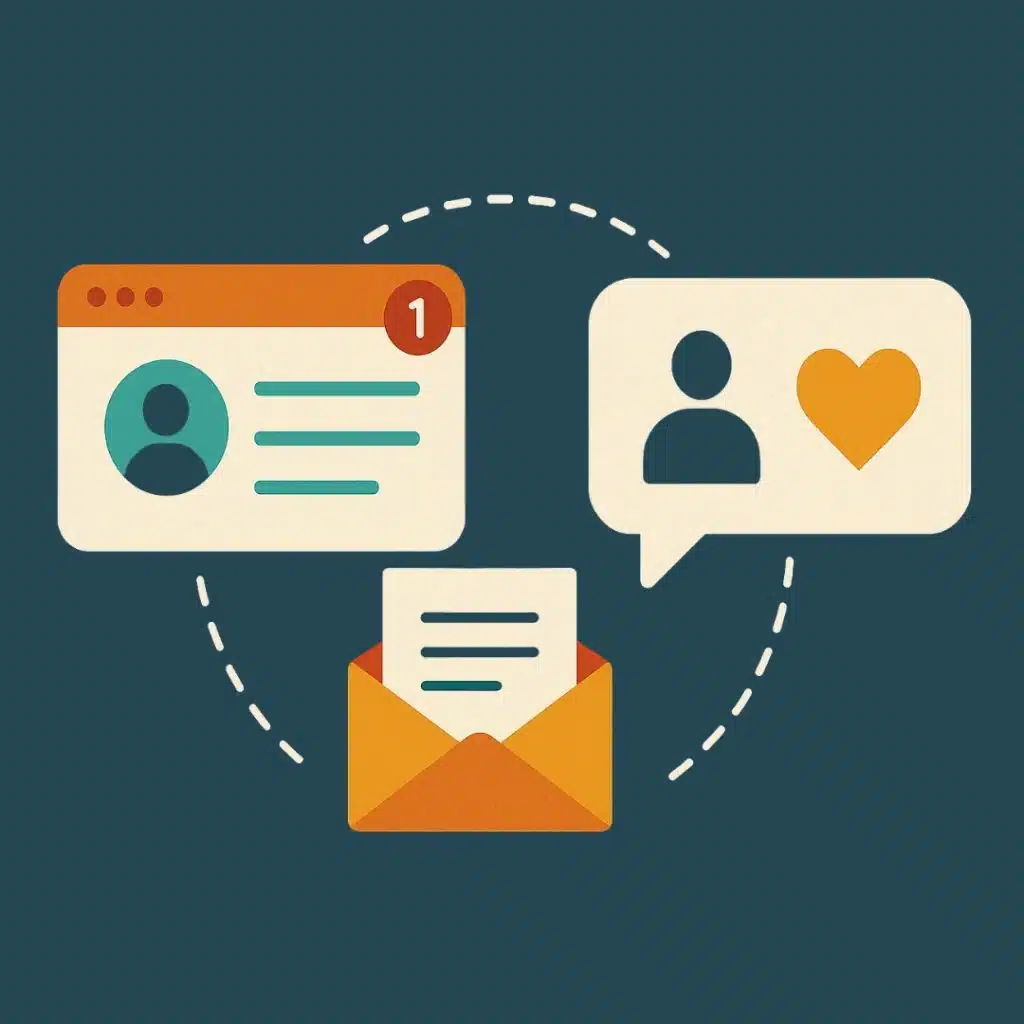
Once a prospect knows your brand, the real work begins: Engagement. At this stage, it's all about staying top of mind and nurturing interest while they weigh their options.
Effective engagement means delivering relevant, personalized experiences that meet prospects where they are. Instead of just churning out content, you need to provide value. You're brand's content should feel tailored to a customer's goals and challenges.
Tactics like welcome email sequences, interactive webinars, helpful surveys, and meaningful social media conversations can all pull prospects closer. For instance, if someone downloads an e-book or subscribes to your newsletter, follow up with a personalized email series that shows exactly how your solution fits their needs.
Segmentation is crucial
Use what you know. Whether you're using browsing behavior, firmographic data, or past interactions, segment your audience to send the right message to the right person at the right time. The more your content feels personal and timely, the stronger the trust you build.
Tracking engagement metrics—email open rates, click-through rates, and site interaction time—offers a clear read on what's resonating and where you can sharpen your approach.
When done right, the engagement stage does more than keep your brand visible. It helps prospects think, "This company really understands what I'm trying to achieve." That connection moves them naturally toward the next stage of the journey.
|
|
Sustained engagement is about relevant, personalized interactions that show you understand a prospect’s goals and challenges. |
|
|
Am I personalizing my outreach in a way that makes each prospect feel understood and valued? |
|
|
Use segmentation and personalization based on behavior and demographics to tailor communications for deeper, more meaningful engagement. |
Conversion Stage: Encouraging Prospects to Take Action
Conversion is the moment of truth—when a prospect is ready to take action, whether that's booking an appointment for a demo, signing a contract, or purchasing for the first time. What is your job at this stage? Make it effortless for them to say "yes."
The path to conversion should feel seamless. That means removing friction, anticipating objections, and delivering the right message at the right moment. For example, if you're leading prospects to book a meeting or complete a sign-up, ensure your call-to-action (CTA) is clear, your forms are streamlined, and the next steps feel obvious and easy.
Personalization matters here, too. Use what you know about the prospect's behavior to offer the most relevant next step—whether that's a targeted product recommendation, a custom demo offer, or a nudge to revisit content they engaged with earlier. Social proof, like customer testimonials, success stories, or third-party reviews, can also make a big difference in reinforcing trust.
Noticing a little hesitation from visitors on your site? Then, that's your cue to take a closer look at your engagement metrics. They'll tell you where things might be getting stuck and what you can tweak to make the experience (and your conversion rates) better.
But don't wait for frustration to build. Get ahead of it.
Answer common questions before they even have to ask.
- Make your FAQs clear and easy to find.
- Highlight flexible return policies or contract options right up front.
- And most importantly, make sure real human help is just a click away — whether it's live chat, fast-response email, or a quick call.
When customers feel supported early on, they're a lot more likely to keep moving forward.
Conversion isn't just about closing a deal—it's about making your prospect feel confident that choosing your solution is the smartest move. A smoother path today leads to stronger wins and better conversion rates tomorrow.
|
|
A frictionless, confident decision-making experience increases conversion rates; personalization and social proof can be powerful catalysts. |
|
|
Am I making it as easy and reassuring as possible for prospects to say 'yes'? |
|
|
Audit your conversion pathways—simplify CTAs, streamline forms, and add timely reassurances like FAQs, testimonials, or live support access. |
Retention Stage: Post-Purchase Engagement & Loyalty-Building

Congratulations—you've earned the customer's trust. But the work doesn't stop at the sale — now it's time to focus on retention. This is where brands turn first-time buyers into loyal, long-term advocates.
The post-purchase experience is critical, especially in B2B. A strong start sets the stage for how the relationship rolls out. Deliver value quickly with a seamless onboarding experience: think tailored "Getting Started" guides, proactive introductions to customer success teams, and clear timelines for check-ins. In complex B2B environments, a thoughtful first 90 days can make all the difference.
Beyond onboarding, proactive support is essential. Make it easy for customers to get help—whether that's through live chat, email, or a quick call—and be ready to respond quickly when they reach out. Small gestures of attentiveness early on often lead to bigger loyalty later.
Keeping customers around isn't just about checking in — it's about showing them you care.
Set up light, thoughtful touchpoints along the way: ask for their feedback, share a quick insider tip, or recommend something you know they'll actually find helpful.
And don't be shy about making them feel like VIPs with exclusive webinar invites, loyalty perks, or early access to new content.
Little moments like these remind your customers they're not just another name in your database — they're part of your brand's inner circle.
And when you see engagement dip—like a user who hasn't logged into your platform or a client who hasn't purchased in a while—act fast. Well-timed re-engagement emails, personalized offers, or direct outreach can reignite the relationship before it cools off.
Retention isn't just about avoiding churn; it's about proving, over and over again, that your brand was the right choice. Do it well, and you'll see stronger loyalty, higher lifetime value, and customers who are excited to grow with you.
|
|
The post-purchase period is crucial for setting the tone of a long-term relationship; proactive support builds lasting loyalty. |
|
|
What am I doing to make customers feel valued immediately after the sale—and beyond? |
|
|
Implement structured onboarding and consistent, value-driven follow-ups to reinforce your investment in customer success from day one. |
Loyalty Stage: Turning Customers into Advocates
Loyalty is where good businesses become great—and where customer relationships evolve into real brand advocacy. If you've delivered positive experiences consistently, you've earned your customers' trust. Now, it's time to build on that foundation and turn satisfied customers into passionate advocates.
Start by making loyalty feel rewarding. A best-practice loyalty program helps customers believe that sticking with your brand has real benefits. For example, thoughtful gestures like early-bird offers, private events, or insider content help deepen the connection.
But loyalty goes beyond perks—it's also about participation.
If you make it easy, your best customers are often ready and willing to share their positive experiences. At this stage, focus on sparking and amplifying advocacy:
- Ask for referrals and make it easy (with a thank-you gift or bonus offer).
- Spotlight customer success stories across your blog, emails, and social media.
- Encourage user-generated content — invite your customers to post, tag, and celebrate their wins with your brand.
Simple, authentic recognition — like highlighting a customer story in your newsletter or sending a personalized thank-you — goes further than you might think. Loyalty is emotional, not transactional.
When customers feel valued and seen, they don't just stay—they actively champion your brand. And brand fans are the ultimate payoff: Advocates who bring in new prospects, complete the lifecycle loop, and fuel sustainable growth.
|
|
Satisfied customers can become powerful advocates if loyalty feels rewarding and participation is encouraged authentically. |
|
|
How easy and rewarding am I making it for my happiest customers to advocate for my brand? |
|
|
Create advocacy programs that reward loyalty and invite customers to share their success stories, reviews, and referrals. |
The Roles of Marketing, Sales, Success, and Support in B2B Lifecycle Marketing
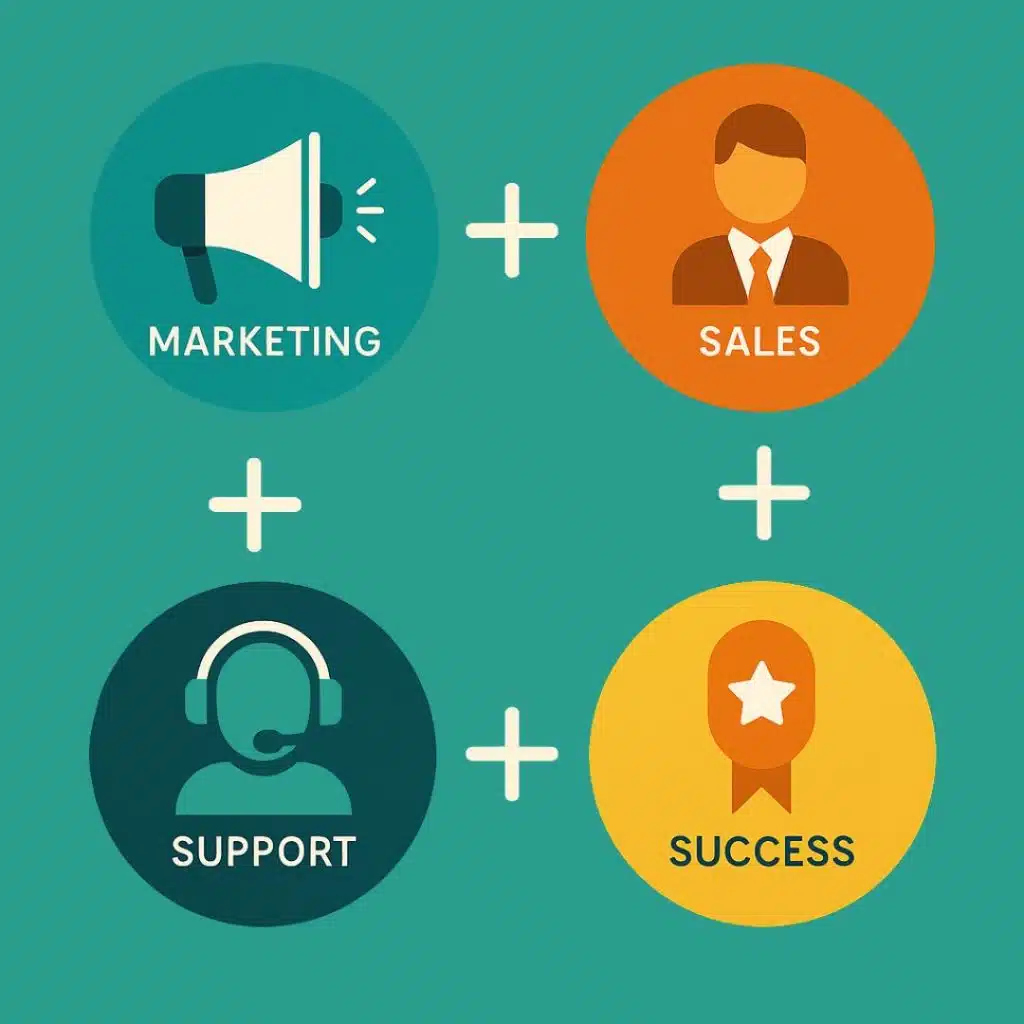
Lifecycle marketing isn't a one-team job. In fact, it’s a full-team effort.
Each department plays a critical role in guiding customers from first touch to lifelong advocacy, and when marketing, sales, customer success, and support work in sync, the entire customer journey feels seamless.
Marketing is the architect of the journey.
Their role is to build awareness, nurture interest, and keep the brand top of mind with valuable, personalized content. From educational blog posts to targeted email campaigns and retargeting ads, marketing sets the stage for engagement, making sure prospects have the information and confidence they need before ever talking to sales.
Sales takes over when prospects are ready for a deeper conversation.
Their job isn’t just to close deals, but it’s to continue building trust, personalize the buying experience, and hand off new customers smoothly to the success team. A great sales experience feels like a continuation of the value marketing promised, not a hard pivot.
Customer Success steps in after the sale to deliver on those promises.
Success teams focus on onboarding, training, and helping customers realize value quickly. They’re the relationship builders, turning first-time users into confident, happy customers who stick around — and eventually grow into brand advocates.
Support plays the quiet hero role throughout the journey.
Fast, empathetic problem-solving — whether through chat, email, or phone — keeps minor issues from becoming major frustrations. A responsive support team reinforces the feeling that customers are valued, heard, and part of a brand that truly cares about their success.
When these teams collaborate across the lifecycle, magic happens:
Customers feel seen, supported, and understood at every stage. That’s what builds lasting loyalty and real growth.
|
|
True lifecycle marketing success requires cross-functional collaboration; each team must seamlessly support the customer journey. |
|
|
Are all my teams aligned around a unified view of the customer journey? |
|
|
Break down silos by creating shared goals, integrated data systems, and customer-centric communication flows across all teams. |
Measuring Lifecycle Marketing Success & Ensuring Continuous Business Growth
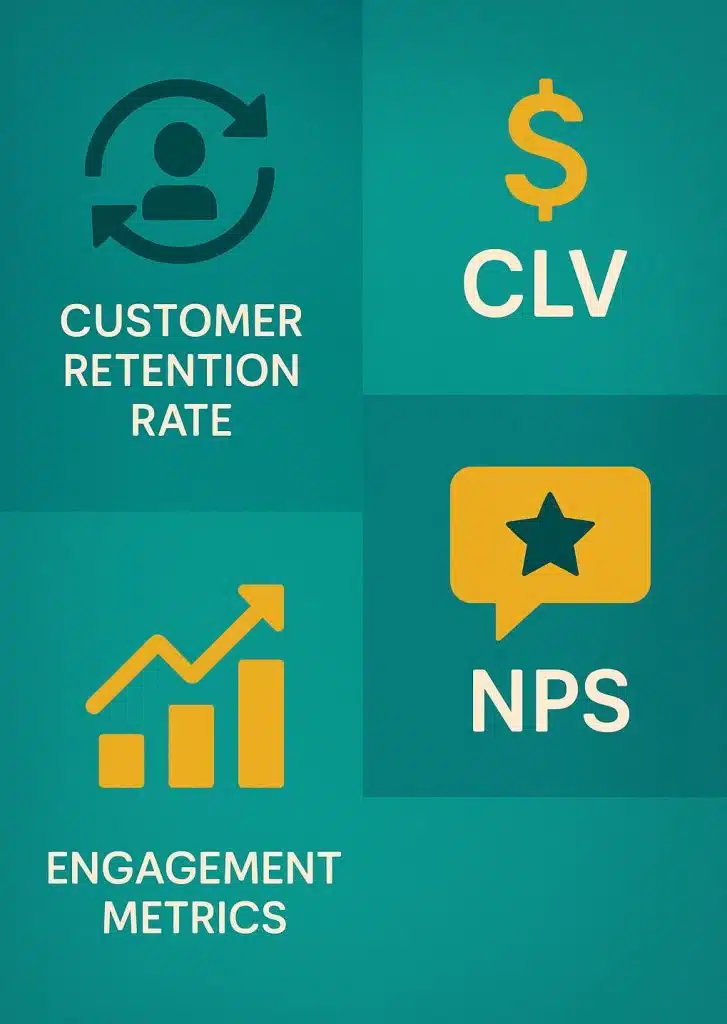
So, how do you know if your lifecycle marketing strategy is actually moving the needle? It all comes down to measuring the right metrics at every stage of the customer journey — and using what you learn to keep optimizing.
Here's what to track, why it matters, and how lifecycle marketing fuels continuous growth:
1. Customer Retention Rate
Retention rate is the percentage of your customers that stick around, and it's one of the clearest indicators that your post-purchase engagement is paying off. A rising retention rate means your onboarding, support, and loyalty-building efforts are working.
Keep an eye on the churn rate, too—the flip side of retention. If you notice retention dipping, it's time to examine the customer experience and fine-tune your onboarding or outreach efforts.
2. Customer Lifetime Value (CLV)
CLV measures a customer's total revenue during their relationship with your brand. CLV should steadily climb if your lifecycle marketing is firing on all cylinders.
Use it as a guiding star for budget decisions — investing in customer success, loyalty programs, or better onboarding is easier to justify when you can show it boosts lifetime value.
3. Engagement Metrics
Engagement is the bridge between awareness and conversion, and it keeps customers connected long after the first sale.
Track metrics like:
- Email open and click-through rates
- Website traffic and on-site behavior
- Social media interactions
- In-app usage stats
These metrics show you where your customers are leaning in — and where you might be losing them. Low open rates? Test new subject lines. High bounce rates on a landing page? Ensure the message on the ad and the page are aligned. Engagement insights give you the roadmap to stronger relationships.
4. Net Promoter Score (NPS)
Net Promoter Score (NPS) is a quick, powerful way to measure customer loyalty.
It’s based on one question:
"On a scale of 0 to 10, how likely are you to recommend our product or service to a friend or colleague?"
Customers fall into three camps: promoters, passives, or detractors. So, your Net Promoter Score (NPS) is calculated by taking the percentage of your passionate promoters and subtracting the percentage of detractors. NPS is powerful but simple way to gauge customer loyalty and satisfaction!
A high NPS means stronger loyalty, more referrals, and a healthier customer lifecycle.
In lifecycle marketing, NPS isn’t only a score, but it’s also a pulse check on customer satisfaction and advocacy potential.
When you track it consistently — and act on what you learn — you build better experiences, deepen loyalty, and fuel organic growth.
|
|
Ongoing measurement across retention, CLV, engagement, and NPS ensures you’re optimizing strategies and fueling sustained growth. |
|
|
Am I regularly measuring and acting on the metrics that matter most to my customer relationships? |
|
|
Set up dashboards to continuously monitor key lifecycle metrics—and use insights to iterate and improve your marketing initiatives. |
Key Tools and Strategies for Lifecycle Marketing
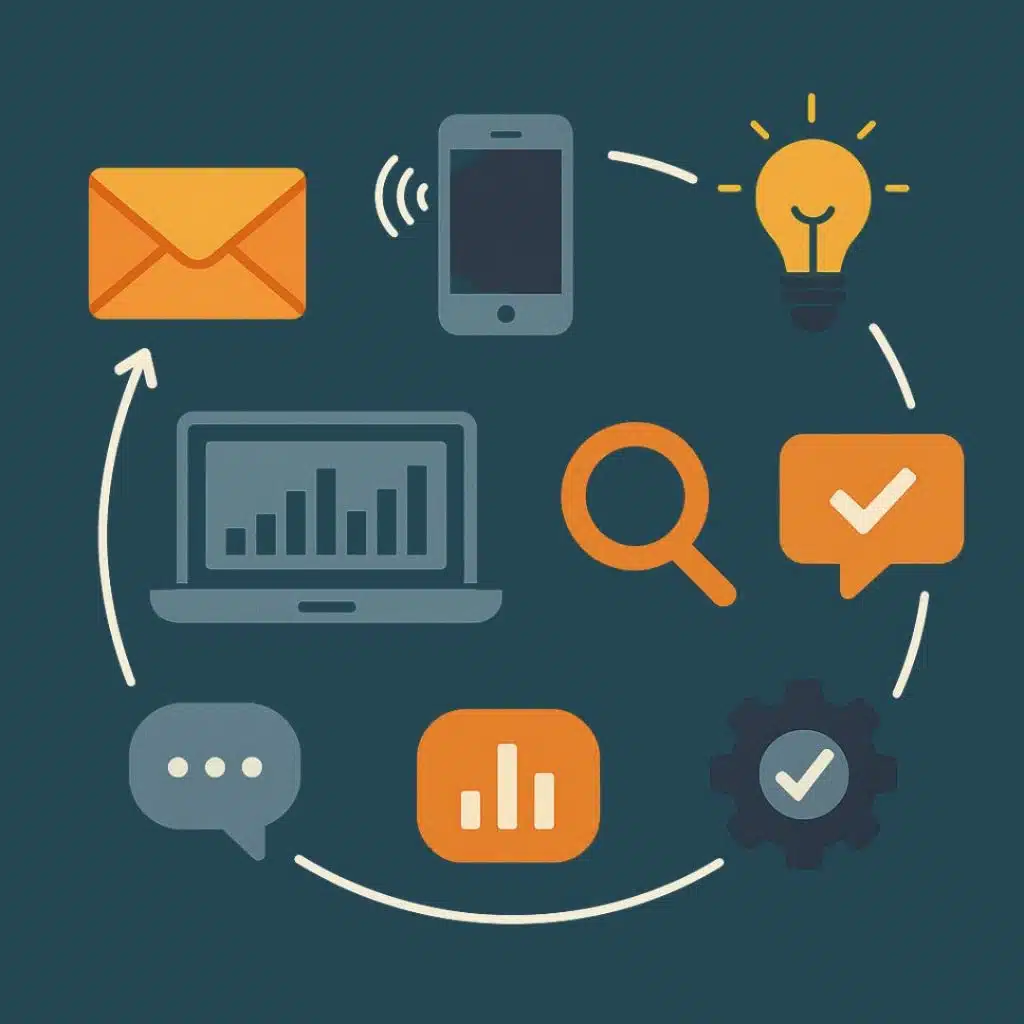
Successfully implementing lifecycle marketing can be challenging, but thankfully, there are many tools and tactics to support you. Here are some key categories of tools and strategies to help manage and enhance the customer journey from start to finish:
Email Marketing Campaigns
One of the most powerful tools in your lifecycle marketing strategy is email—and for good reason. After all, it's direct, flexible, and one of the most effective ways to guide customers through every stage of their journey.
About 44% of marketers already leverage targeted lifecycle email campaigns to activate, engage, and retain customers, and the opportunity to stand out is still wide open.
The magic of email lies in its versatility.
- Awareness and Engagement: Welcome new subscribers with an email series introducing your brand's story and best resources.
- Consideration: Nurture leads with case studies, educational content, and answers to common objections.
- Conversion: Send well-timed promotions, offers, or reminders to move prospects across the finish line.
- Retention and Loyalty: Follow up post-purchase with tutorials, check-ins, loyalty invites, and exclusive offers that show customers you value the relationship beyond the sale.
The real game-changer? Segmentation and personalization.
Today's audiences expect more than just seeing their name at the top of an email—they want content that feels like it was crafted for their needs and interests.
Segment your database based on behaviors and attributes—new leads, loyal customers, lapsed users, high-value accounts, and tailor messages accordingly. After all, when you deliver emails that speak directly to where customers are in their journeys, engagement skyrockets.
Modern platforms like HubSpot, Klaviyo, and Mailchimp make advanced personalization easier than ever, with dynamic content and automation triggers that respond to real customer behavior.
And don't just "set it and forget it." Keep a close eye on metrics like:
- Open rates
- Click-through rates
- Conversions from email
If performance dips, tweak your subject lines, adjust send times, or rework your message to keep relevance high. When you get it right, email becomes a quiet workhorse, steadily moving customers forward at exactly the right moments.
And the payoff can be huge: Brands using advanced lifecycle email strategies — like behavioral triggers and contextual targeting—have seen as much as a 96% increase in email-driven revenue.
Bottom line: Meet your customers in their inbox with content that matters. As a result, your email marketing will become one of your strongest drivers of lifecycle success.
In-App Personalization & SMS Marketing Campaigns
Email is powerful, but it's just one piece of a much bigger engagement puzzle. In fact, today's customers expect personalized experiences across every channel they touch, from websites and mobile apps to SMS and beyond. To build a truly effective lifecycle strategy, you need to meet them where they are — and make every interaction count.
In-app personalization is a major opportunity. When you have a captive audience, you can tailor the experience inside your product or website based on user behavior and preferences. For example:
- Show personalized product recommendations right on the homepage.
- Highlight relevant promotions based on categories they've browsed.
- Trigger push notifications with timely updates based on recent activity.
If a user is onboarding, you might display a progress bar or highlight untapped features. If they're inactive, a "We miss you — here's what's new" message can reignite engagement. These in-app touches make the experience feel like it was designed just for them, not for "everyone."
SMS marketing is another high-impact move in your lifecycle playbook.
With open rates that often crush email performance, SMS is perfect for real-time, high-priority communications — when used thoughtfully. Smart uses of SMS across the journey include:
- Conversion: Remind users about incomplete actions, like an abandoned subscription purchase or an unfinished registration.
- Retention: Share shipping updates, cross-sell relevant products, or nudge a second purchase.
- Loyalty: Reward VIP customers with early-access links or exclusive offers ("Text YES to claim your early access pass!").
And just like with email, personalization matters here, too. Reference customer history, use first names, and make sure every message feels relevant, not robotic.
The best part? You don't have to manage all of this manually. By and large, most modern customer engagement platforms let you coordinate email, SMS, in-app messaging, push notifications, and even social DMs in one system. For example:
- If a prospect ignores a nurture email, you can automatically trigger a reminder via push notification the next day.
- If a customer prefers texting over email, you can shift the conversation to SMS, respecting their preferences while keeping engagement high.
When channels work together — not in silos — the customer experience feels seamless. Maybe a user sees an email introducing a new feature (awareness), then finds a guided tour inside your app (engagement), gets a push notification if they stall (conversion nudge), and later a text checking in post-usage (retention).
That's real lifecycle marketing in motion — connected, consistent, and customer-centered.
Content Marketing
Content marketing isn’t just a tactic—it’s paves the way for your brand to speak to customers at every stage of their journey.
When done right, content is the dynamic bridge that builds awareness, deepens trust, supports decision-making, and nurtures lasting loyalty.
Here’s how content marketing powers each phase of the lifecycle:
- Awareness: content is your opening handshake. The goal? Capture attention and spark curiosity. Make this content engaging, easy to share, and genuinely helpful. Think blog posts, infographics, and videos. Think beyond clicks: Focus on building credibility.
- Engagement: leverage content to nurture the relationship by providing educational articles, practical how-to guides, and community-driven content that invites interaction.
- Consideration and Conversion: As prospects get closer buying, they need to see content that instills confidence in choosing your brand. Provide clear product comparisons, real-world case studies, and authentic testimonials. Remove doubt, showcase proof, and make the decision to say “yes” feel like the obvious next step.
- Loyalty: After the sale, content keeps you top-of-mind and strengthens customer engagement. Personalized content, newsletters, insider offers, how-to articles, and loyalty program updates remind customers they’re part of something valuable.
When you continue to deliver meaningful, relevant content even after the sale, you turn customers into repeat buyers—and loyal advocates who bring others along for the ride.
Customer Data & Analytics Tools
If you want your lifecycle marketing strategy to truly deliver, you have to do more than collect customer data — you have to actually make sense of it. Understanding audience drivers allows you to create experiences that feel personal, relevant, and real — and that's what keeps customers engaged and coming back for more.
That's where customer data tools come into play. Customer Relationship Management (CRM) platforms like Salesforce, HubSpot, and Zoho help you organize individual customer profiles—contact info, communication history, purchase patterns, support tickets—everything you need to see the full story behind each relationship.
Want to go even deeper?
Customer Data Platforms (CDPs) take it a step further by pulling data from every touchpoint—website visits, app activity, emails, social interactions, and even offline engagements—and stitching it into unified profiles. Because of this granular view, you can segment more effectively and tailor messaging to fit where each customer is in their lifecycle.
Example:
- Spot a segment of customers who only purchase during sales? Cue up early-bird promotions.
- Notice a group that responds to new product announcements? Prioritize awareness campaigns for them.
Analytics tools (Google Analytics, Kissmetrics, and Adobe Analytics, for example) add even more horsepower. They help you spot patterns across the entire journey—such as where prospects drop off, which blogs drive the most sign-ups, or which acquisition channels lead to higher customer lifetime value (CLV).
Data isn't just a nice-to-have—it's your decision engine. If you notice that customers acquired through LinkedIn have better retention rates than those from Instagram, you can adjust your budgets accordingly. If one email campaign unexpectedly triggers churn, you know it's time to dig into messaging or targeting.
A few essentials need to be in place to make the data work for you:
- Clear data collection practices and KPIs aligned to each lifecycle stage.
- Dashboards that monitor performance in real-time.
- Platforms that offer predictive insights, like churn forecasting or personalized product recommendations.
- A commitment to qualitative insights (surveys, interviews, feedback forms) is needed, too, because sometimes numbers alone don't tell the full story.
And most important? Unified access. Siloed data kills momentum. When marketing, sales, and support teams each operate from different views of the customer, it's nearly impossible to deliver a cohesive lifecycle experience. Therefore, you need to invest in integrations and centralized systems that connect your e-commerce, CRM, and marketing automation platforms. When a customer purchases, it triggers the right follow-up automatically—that's lifecycle marketing working the way it should.
The bottom line is that customer data and analytics aren't just tools. Indeed, they are the foundation of smarter, stronger, and more successful lifecycle marketing.
When you understand your customer journey at every level, you can personalize better, respond faster, and create the kind of experiences that drive lifetime loyalty.
Automation Tools
Personalizing every customer interaction across multiple stages and channels sounds great — until you realize how quickly it can overwhelm even the best teams.
That's where marketing automation steps in and becomes indispensable.
Automation ensures that every customer receives the right message at the right time, eliminating the need for manual follow-ups at every turn. So think of it as your always-on assistant, orchestrating personalized experiences at scale.
Here's what smart automation looks like in practice:
- A new lead fills out a form? Automation triggers a welcome email series, assigns a check-in task to sales, and adds the contact to a nurture stream.
- A first-time customer making a purchase? They are automatically tagged as a "New Customer," receive a thank-you note, and a few days later, a personalized onboarding guide.
- A customer goes quiet for six months? A win-back email campaign triggers automatically with a special incentive.
The result? No lead falls through the cracks. No opportunity is missed. Your team stays focused on strategy, not chasing tasks.
Popular automation platforms like HubSpot, Marketo, ActiveCampaign, and Salesforce/Pardot make it easy to build these flows visually, using if/then logic:
- If a customer browses high-value products but doesn't buy → enroll them in a nurture campaign.
- If a user regularly logs into your app but hasn't converted → send a personalized offer via email or SMS.
When you connect your automation platform with your CRM or CDP, you unlock even deeper precision. Triggers can be based on anything—time since last login, NPS score, purchase history—ensuring every message is timely and relevant.
|
|
Leveraging email, in-app personalization, SMS, content marketing, data analytics, and automation tools makes lifecycle marketing scalable and effective. |
|
|
Do I have the right tools in place to deliver the seamless, personalized experiences my customers expect? |
|
|
Audit your current tool stack; identify gaps where better personalization, automation, or data integration could drive better lifecycle experiences. |
Summing Up
Focus on Building Long-Term Loyalty and Advocacy
At the heart of lifecycle marketing is one big goal: Building long-term loyalty and brand advocacy.
Each stage—from that first spark of awareness to passionate customer loyalty—isn't just about making a sale, but it's also about creating relationships that fuel sustainable business growth.
When customers feel truly seen and valued, they stick around — and they bring others with them.
They become repeat buyers, tell their colleagues, and leave glowing reviews. Essentially, they become your unofficial marketing team, expanding your reach through authentic word-of-mouth advocacy—the kind of marketing money simply can't buy.
Keep Your Focus on Long-Term Relationships, Not One-Off Campaigns
Great brands don't chase transactions. Instead, they invest in journeys.
Rather than hopping from campaign to campaign, a lifecycle approach creates a continuous experience that evolves with your customers.
It's a mindset shift:
Success isn't just about closing a deal—it's about cultivating brand champions who stick around, spend more, and advocate for your brand.
And the brands that get this right? They build a serious edge.
When customers have endless options, loyalty belongs to the businesses that consistently deliver value, relevance, and a personal touch.
The business case is clear:
- Lower acquisition costs
- Higher customer lifetime value
- A loyal customer community that supports growth — even when the market gets tough
Ensure Your Lifecycle Strategy Is Agile
Lifecycle marketing isn't a set-it-and-forget-it play.
To stay ahead, you have to stay close to your data, your customers, and the evolving market landscape.
That means:
- Testing new approaches.
- Listening for shifting customer needs.
- Pivoting when new tech or trends emerge.
- Celebrating wins — like an uptick in repeat purchases or a great testimonial — as validation that your strategy is working.
Above all, keep the human touch alive at every stage. Relationships are built on relevance and empathy.
|
|
Lifecycle marketing is about building long-term loyalty, not chasing short-term wins—creating resilient growth through relationship-first strategies. |
|
|
Is my brand strategy built for long-term loyalty—or just short-term gains? |
|
|
Commit to a mindset of continuous customer nurturing, focusing on meaningful connections that fuel organic advocacy and loyalty. |
Lifecycle Marketing: The Bottom Line
When you're thoughtful about your strategy—and follow through with action—you’re doing more than just selling.
You’re guiding your customers on a journey that turns casual browsers into loyal fans.
It’s not just about transactions.
It’s about building a community of people who believe in your brand, trust what you deliver, and genuinely want to see you succeed.
In a world where customer experience defines success, lifecycle marketing is your blueprint for building trust, loyalty, and long-term impact.
Start now — and build the kind of customer relationships that last, even as trends change, competitors shift, and markets evolve.